
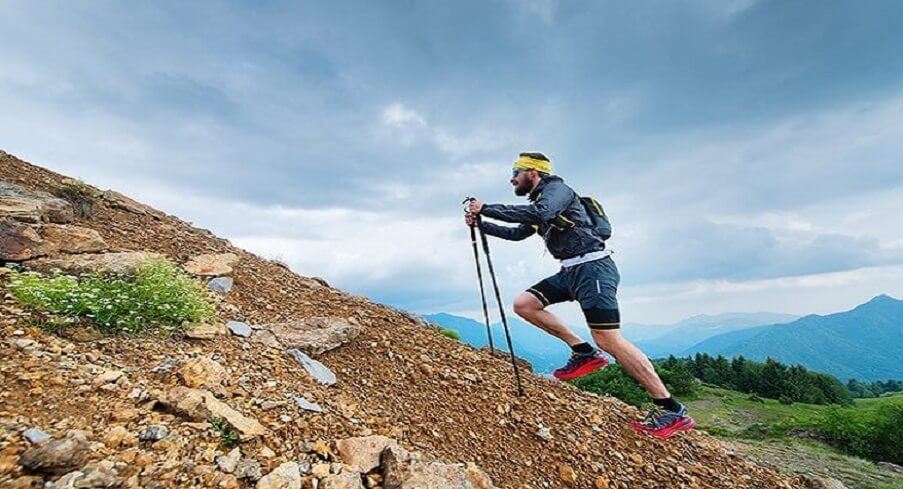
Trekking in the Himalayas is not just about willpower—it’s also about preparation. High altitudes (above 8,000 ft) come with lower oxygen levels, which can challenge your stamina, lungs, and mental strength. The good news? With the right training, you can make your trek safe, enjoyable, and memorable.
Here’s how to prepare:
1. Build Cardiovascular Endurance 🏃♂️
- Why? At high altitude, your body needs to work harder with less oxygen.
- How to train:
- Jog or brisk walk: 30–45 minutes, 4–5 times a week.
- Cycling, swimming, or stair climbing are excellent alternatives.
- Gradually increase distance and pace.
✅ Tip: Practice hiking on inclined terrain or stairs with a loaded backpack.
2. Strength Training 💪
- Why? Strong legs, core, and shoulders make long climbs and descents easier.
- Key exercises:
- Squats & lunges (legs)
- Step-ups (simulate climbing)
- Planks & Russian twists (core)
- Push-ups & shoulder presses (upper body for backpack weight)
✅ Tip: Use resistance bands or light weights if you don’t have access to a gym.
3. Flexibility & Balance 🧘
- Why? Treks involve uneven terrain, rocks, and river crossings. Flexibility prevents injuries.
- How to train:
- Yoga (especially Surya Namaskar, hip openers, hamstring stretches).
- Balance drills like standing on one leg or using a balance board.
4. Acclimatization Practice 🏔
- Why? The body needs time to adapt to low oxygen.
- How to simulate at home:
- Hike at nearby hills with a loaded backpack.
- Practice breathing exercises (deep belly breathing, pranayama).
- Do interval training (alternating fast/slow pace) to mimic altitude strain.
5. Mental Preparation 🧠
- Why? High-altitude treks test patience, focus, and mental grit.
- How to prepare:
- Meditation or mindfulness to build focus.
- Visualize completing the trek.
- Train in uncomfortable conditions (cold morning runs, uphill climbs).
6. Gear Familiarization 🎒
- Why? New boots or an unfamiliar backpack can ruin your trek.
- How to train:
- Break in trekking shoes with practice hikes.
- Walk with a loaded backpack (7–10 kg).
- Try layered clothing during training walks.
7. Nutrition & Hydration 🥗💧
- Eat a balanced diet with protein, complex carbs, and good fats.
- Stay hydrated daily (2–3 liters).
- Avoid smoking and reduce alcohol/caffeine—they slow acclimatization.
✅ Training Timeline
- 8–10 weeks before trek: Start cardio + strength training.
- 6 weeks before trek: Add long hikes with backpack.
- 2 weeks before trek: Focus on light training, flexibility, and recovery.
Final Thought
High-altitude trekking is a challenge, but it’s also deeply rewarding. With consistent training, the right gear, and mental preparation, you’ll not only reach the summit—you’ll enjoy every step of the journey.